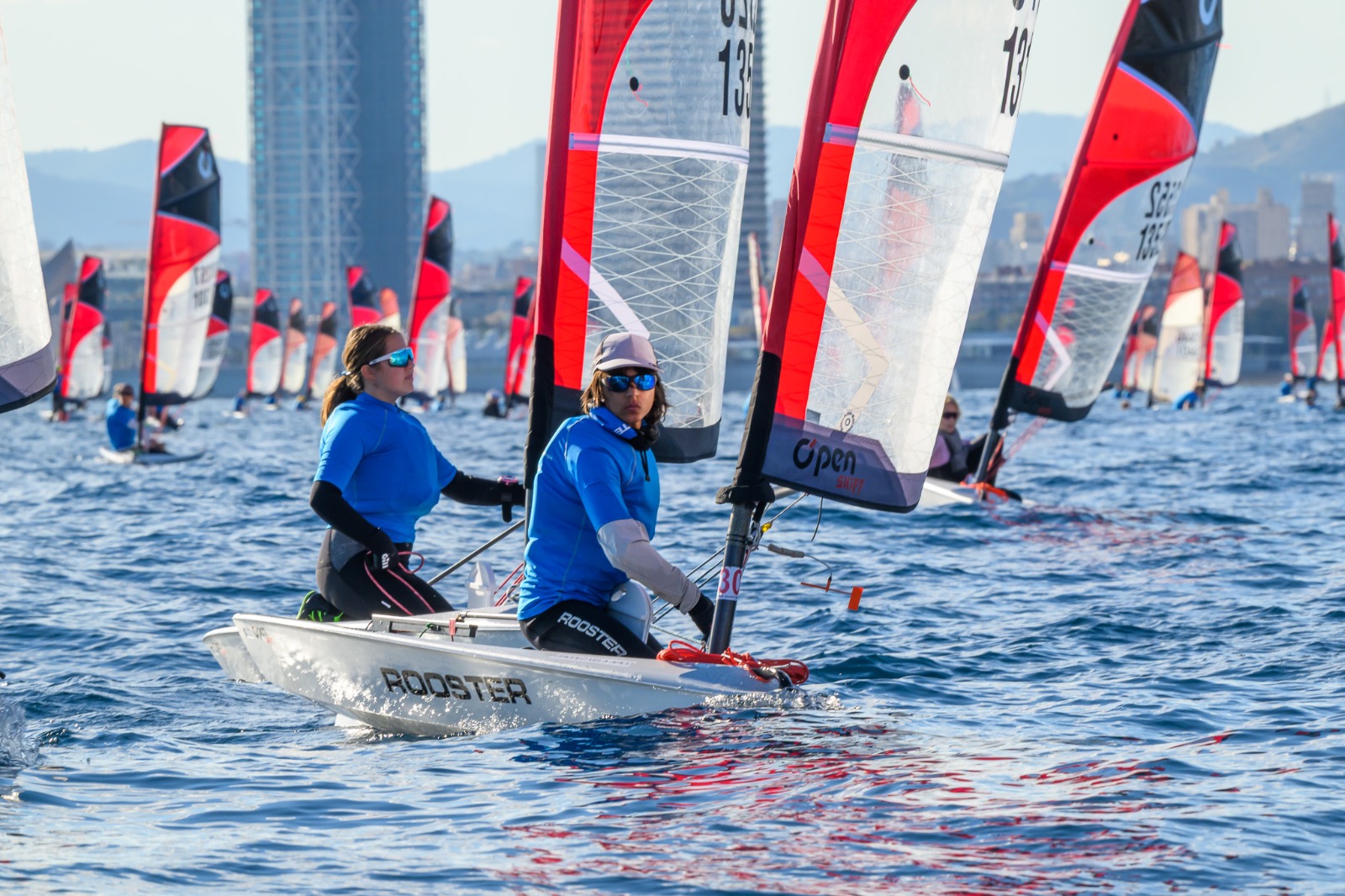
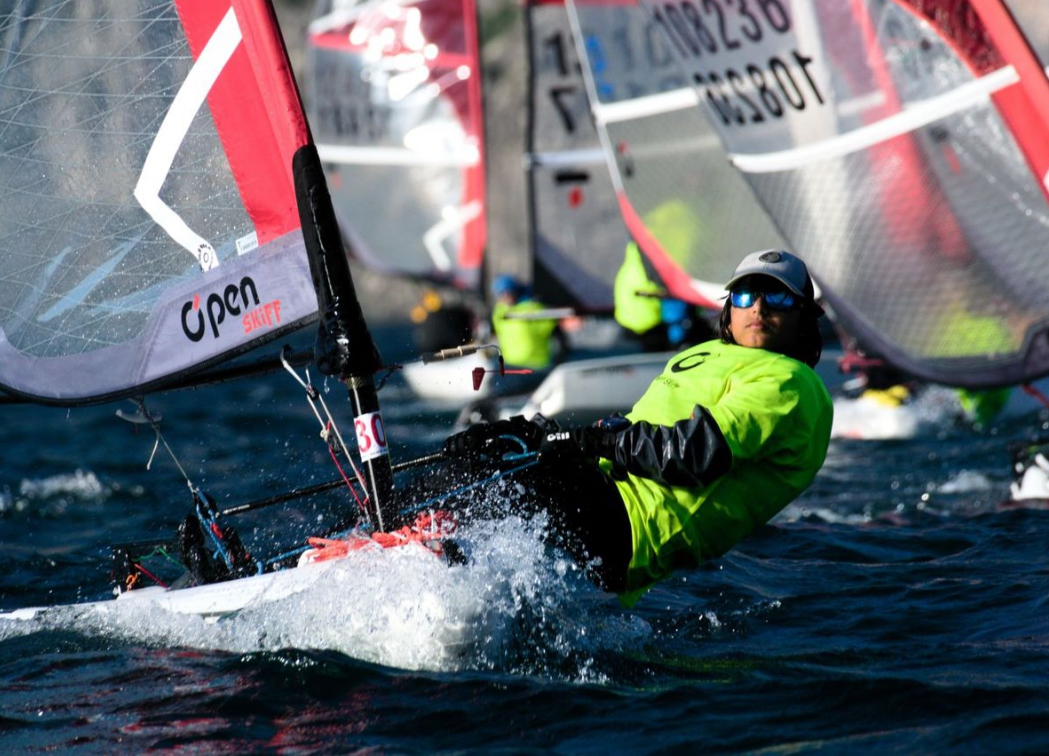
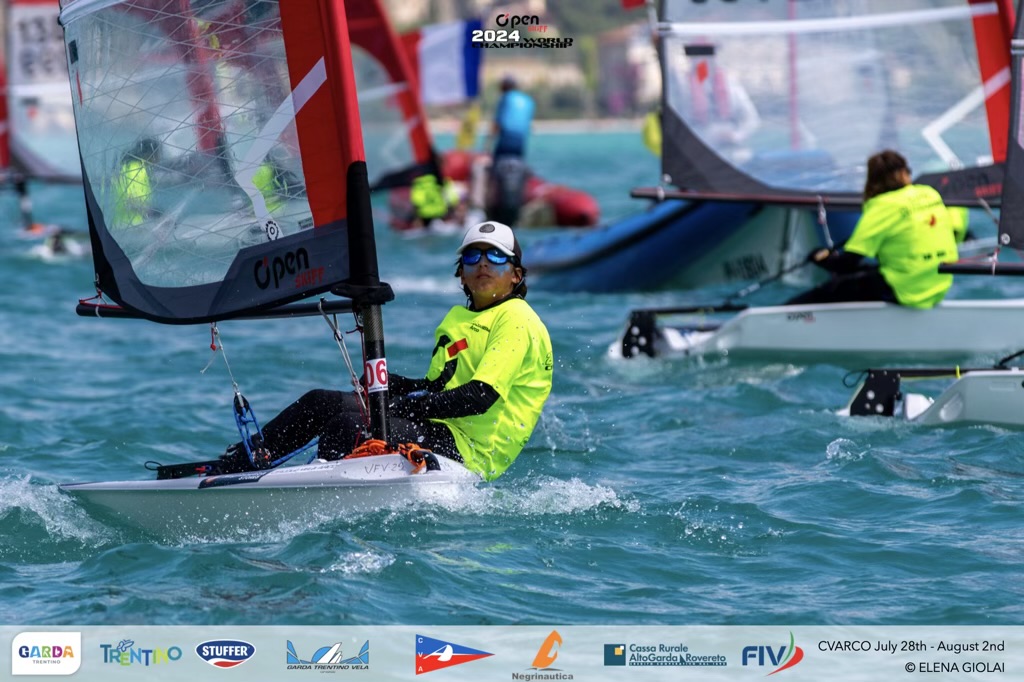
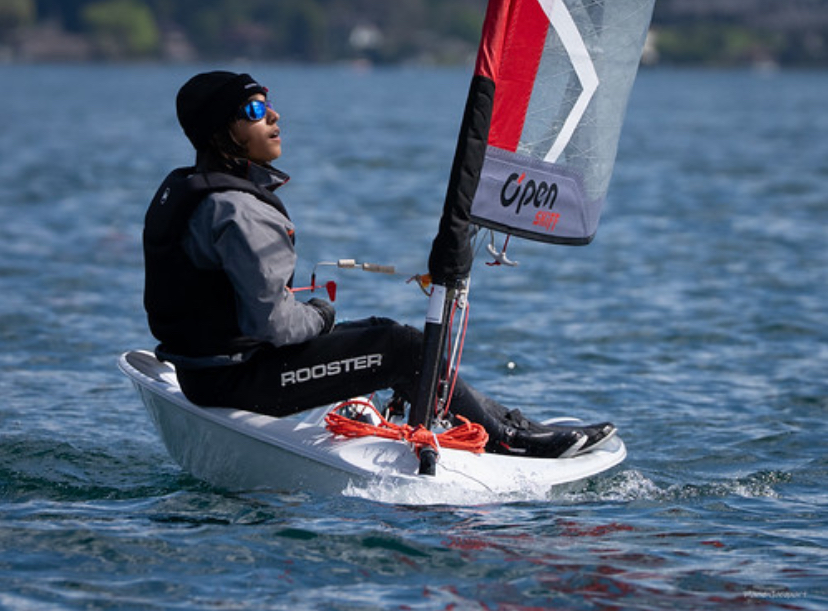
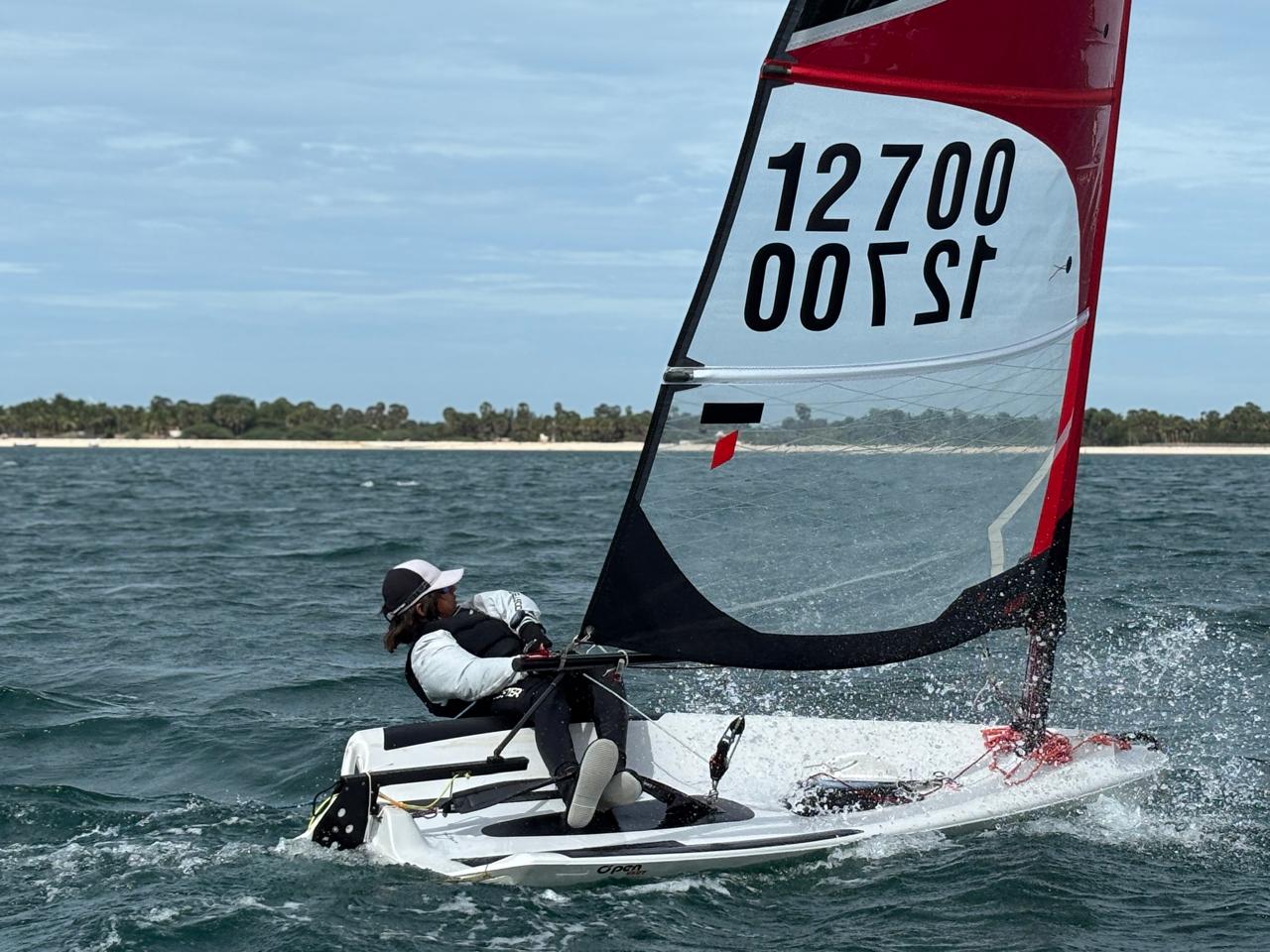
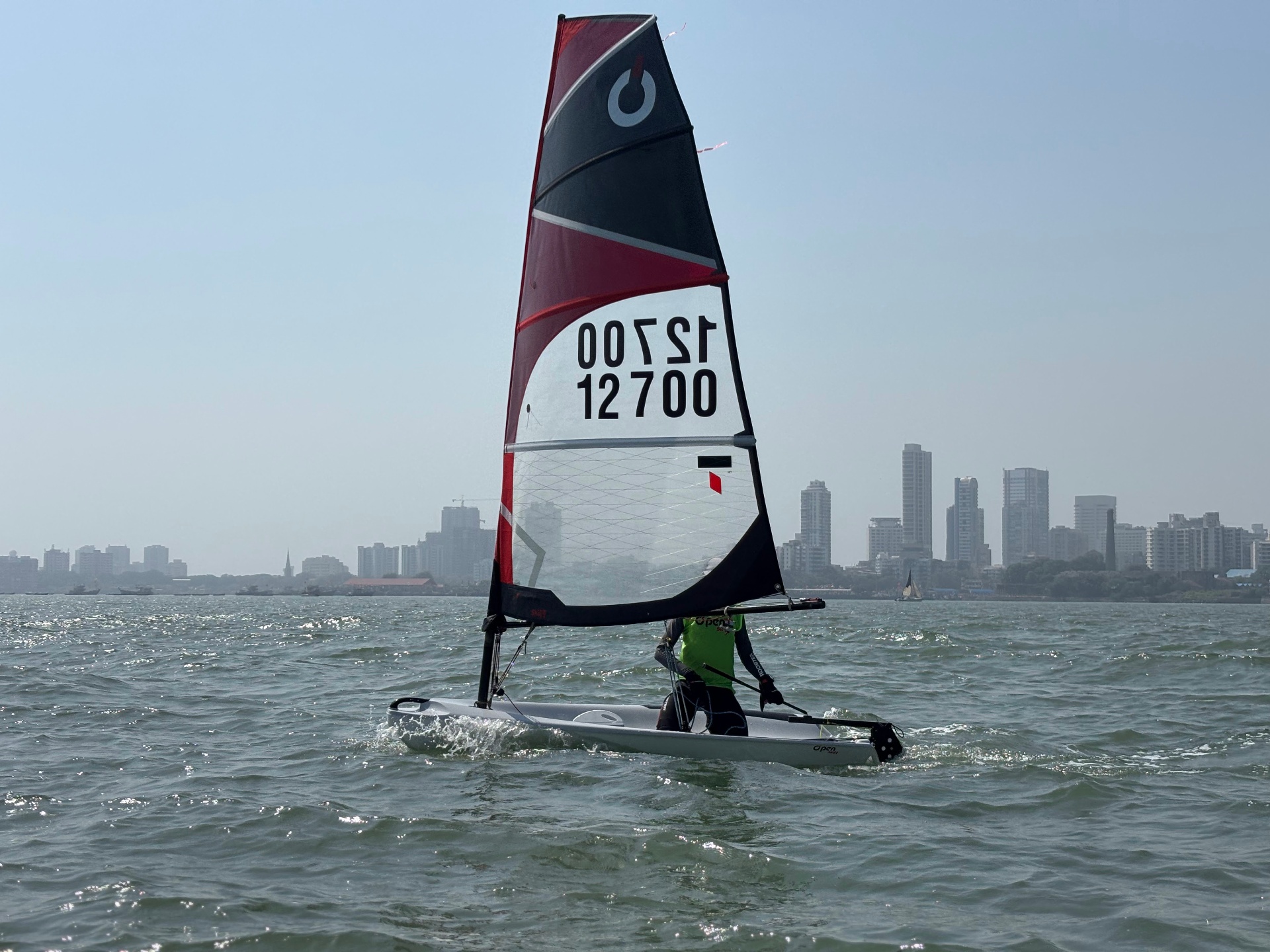
Boat handlingRoll-tack rhythm
Synchronize body weight, sheet release and steering input to keep flow attached through the tack.
5 sets · 6 tacks · 30s restOptimistILCA 4ILCA 6420Open Skiff
▸How to run it
- 01Set up at full speed on a close-hauled course with telltales streaming.
- 02Initiate with the tiller only, a smooth 10° turn, no shove.
- 03Heel to windward as the boom crosses; keep the sheet loaded until head-to-wind.
- 04Cross the boat late, land on the new side and flatten decisively.
- 05Ease 10 cm of mainsheet on the exit, then trim back on as speed builds.
- 06Log exit speed against a training partner every 6 tacks.
▸Why this drill?
Roll tacking is the single biggest exit-speed lever in dinghies. Done well it gives you a half-knot advantage out of every tack. Over a windward leg with 6 tacks, that compounds into boat lengths.
Telltale discipline
Upwind drill steering exclusively to leeward telltale behavior in flat water and chop.
20 min · upwind repsILCA 6ILCA 7470Finn
▸How to run it
- 01Fix your gaze on the lower leeward telltale for a full 5 minutes.
- 02Luff until it stalls, bear away until it streams, mark the groove width.
- 03Repeat in chop; note how much wider the groove has to be.
- 04Switch to the windward telltale and find the lifting edge.
- 05Finish with 5 minutes eyes-out, steering on feel, then re-check.
▸Why this drill?
Telltales are the only real-time feedback you have on flow over the sail. Sailors who steer to telltales rather than feel are consistently faster in the middle range, and dramatically faster in shifty conditions.
Acceleration triangles
Trigger pulls from a stalled position, building consistent first-30-second speed off the line.
8 starts · 2 min cycleOpen SkiffILCA 442029er
▸How to run it
- 01Park head-to-wind-plus-40° with the sail luffing and the boat stopped.
- 02On a 10-second count, bear away 5°, sheet in progressively over 3 seconds.
- 03Hike hard the moment the sail loads; flat boat is faster than a heeled one.
- 04Time yourself to full speed, target under 6 seconds in 10 knots.
- 05Repeat 8 times on a 2-minute cycle to simulate sequence pressure.
▸Why this drill?
The first 30 seconds off the line determine the next 30 minutes. Acceleration drills build the muscle memory to convert a clean start into clean air, which is the most expensive resource on a race course.
Pressure surfing
Reading and committing to incoming gust lanes for sustained planing in big-fleet conditions.
30 min · downwindOpen Skiff29er49erMoth
▸How to run it
- 01Sail deep and scan 3–5 boat lengths upwind of the transom, not at the bow.
- 02Call each dark patch out loud before you reach it.
- 03Heat up 10° to connect to the pressure, then soak low inside it.
- 04Pump legally on the wave face; keep the boat flat to marginally heeled to windward.
- 05Score yourself: how many of 10 called puffs did you actually connect?
▸Why this drill?
Downwind speed is not about steering, it's about putting the boat where the pressure is. Pressure surfing trains your eyes to read the water 3-5 boat lengths ahead, which is where the next puff lives.
Wide-in / tight-out
Approach geometry that protects exit lane while keeping flow attached through the turn.
10 roundings · port & starboardOptimistILCA 4420470
▸How to run it
- 01Set a mark and approach on a broad reach at target speed.
- 02Begin the turn two boat lengths wide of the mark.
- 03Trim continuously through the arc, the sheet never stops moving.
- 04Finish the turn with the transom brushing the mark, close-hauled and flat.
- 05Alternate port and starboard roundings; do 10 total, 5 each way.
▸Why this drill?
At a mark rounding, geometry beats aggression. The boats that round wide-in / tight-out exit with speed and a defensible lane. The boats that round tight-in lose the next 5 boat lengths.
Lane management
Decision drill: hold lane, tack out, or duck, practiced under simulated fleet pressure.
Whiteboard + on-waterILCA 6420470Finn
▸How to run it
- 01Whiteboard 10 scenarios: bow position, shift state, distance to layline.
- 02Answer each in under 5 seconds: hold, tack, or duck.
- 03Take the same scenarios on the water with two training partners.
- 04Debrief every decision, was the call right, or just lucky?
- 05Repeat weekly; track your correct-call percentage.
▸Why this drill?
In a fleet, your lane is your single most valuable asset. Lane management drills teach you to make tactical decisions, hold, tack, duck, under pressure, which is what separates middle-fleet sailors from front-fleet sailors.